
When I visited Kenya earlier this year and traveled across the country, I couldn’t help but notice the impressive construction going on everywhere under the Affordable Housing Scheme.
Cranes are up, concrete is pouring, and billboards are screaming about “a new Kenya.”
But here’s the truth — the only people truly excited about it seem to be those forcing it down our throats through over-taxation. The rest of the country is watching, paying, and quietly wondering: is this really what we need right now?
When Priorities Go Sideways
Our leaders have become obsessed with what looks good on camera — shiny projects, big launches, and quick applause.
But in all the noise of politics and PR, they’ve forgotten what truly builds a nation: education.
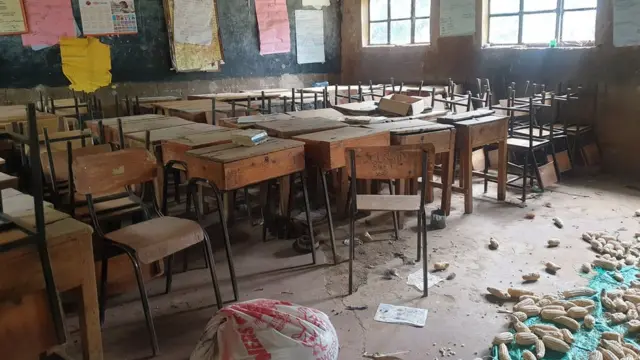
We’re pouring billions into concrete and roofing, while millions of Kenyan children sit in overcrowded classrooms, share torn textbooks, or drop out because their families can’t keep up with “free education” that’s never really free.
Let’s be honest — Kenyans don’t need government houses. They need opportunity. Educated citizens can build their own homes. But no number of houses can build an educated nation.
The Numbers Don’t Lie
Across the country, thousands of secondary schools are struggling to serve millions of students — yet we still have far fewer classrooms than we need.
Every year, hundreds of thousands of children finish primary school, but not all of them make it to secondary. And even among those who do, too many drop out before they can graduate.
Some are pushed out by poverty, others by distance, and many simply by a system that’s stretched far beyond its limits.
So while “free education” sounds like progress, the reality is that millions of Kenyan children are still being left behind — not because they lack the will to learn, but because the system keeps failing them.
A Glimpse from Siaya
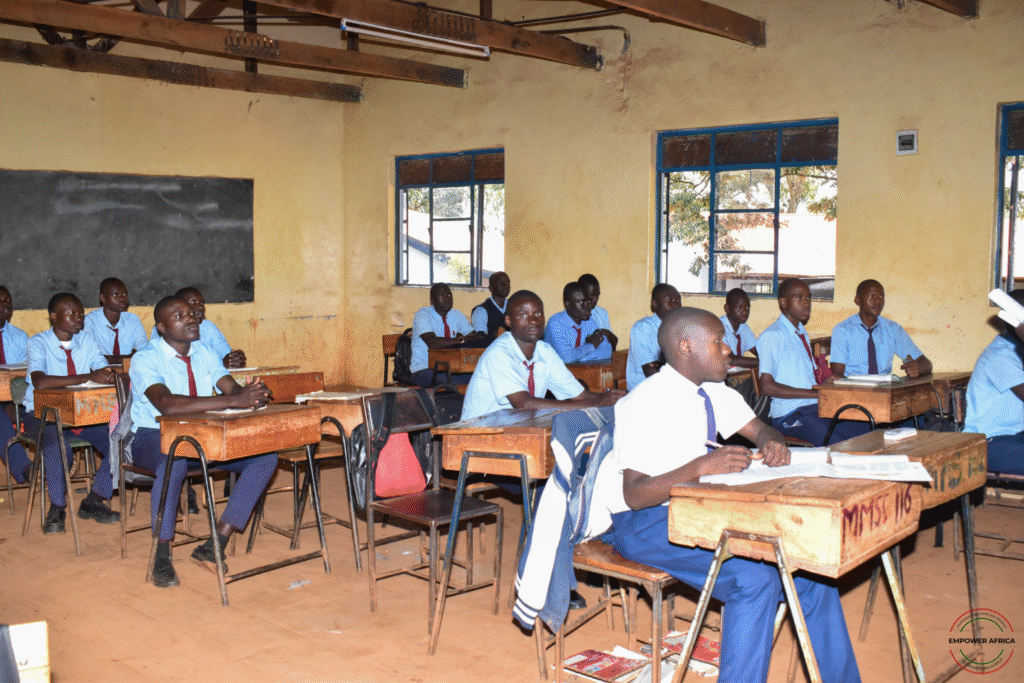
Take Rarieda in Siaya County — a small, mostly rural area. In many of its schools, enrollment has grown only slightly over the past decade, even as the number of school-age children keeps rising.
In villages across Siaya, some students still walk for miles to reach school. Some learn in classrooms with cracked floors and leaking roofs. Others are taught by one teacher juggling three classes.
And yet, we’re told the future of Kenya depends on affordable housing. Really? What about affordable learning?
Just days ago, I read that the Alego Usonga housing project in Siaya will cost over 2 billion shillings. Imagine what we could have done with that money to improve the learning environment of our existing schools —renovate classrooms, buy desks, equip libraries, hire teachers, or build labs that inspire dreams.
Instead, we’re pouring billions into buildings that give the illusion of progress — when in truth, they’re a painful reminder of how tone-deaf our leadership has become.
I keep imagining a Kenya where those buildings are designed and built by people whose hands were once lifted by good teachers, open books, and real opportunity.A Kenya where education, not taxation, is the foundation of success.Where progress is measured not by the number of housing units completed, but by the number of minds awakened.That’s the Kenya worth dreaming about — one where knowledge builds the walls, wisdom lays the foundation, and opportunity opens every door.
Education Is the Real Infrastructure
If the government poured half the energy it spends on housing into education, Kenya would change overnight.
Because classrooms build character. Teachers build citizens. And education builds nations.
Housing may win votes — but education wins generations.
A Nation’s Real Legacy
We love to say “education is the key,” but we keep giving our children padlocks. You can’t talk about nation-building when the builders themselves can’t read the blueprints.
As I drove past half-finished schools and gleaming new flats, I couldn’t help but ask myself — what kind of Kenya are we really building?
Maybe it’s time we stopped counting housing units and started counting children who can actually read, think, and dream to build those houses.
Let’s build schools before skyscrapers. Because the most affordable home is still the one built by an educated Kenyan, not handed out for political applause.